Does your team need more ballistic protection than its current equipment provides? A mobile ballistic shield may help fill that gap, but you need to know whether it fits your personnel, your facility, and the work you do.
Before adding one to the equipment list, ask your team these five questions. The answers can tell you a lot about what you actually need.
1. Where Does Your Current Ballistic Protection Leave Gaps?
Start with the equipment and protective features your team currently relies on. Body armor, handheld shields, and fixed ballistic barriers each serve a purpose. Consider where personnel may need additional coverage or access to protection that can be repositioned.
Talk to the people who use the equipment. Where does the current setup work well? Where have they had concerns?
“We need better protection” is a reasonable concern, but it leaves a lot unanswered. “We need a movable barrier for a temporary security position” gives you something specific to evaluate.
A mobile ballistic shield should have a clear role alongside the protection you already have. Identify that role early, and you’ll have a much easier time deciding which options deserve a closer look.
2. What Ballistic Threats Does Your Team Need Protection Against?
This is where the conversation needs to get specific. Your organization’s threat assessment should guide the protection you require.
When reviewing a shield, ask for the test documentation behind its rating. Which ammunition was used? What configuration was tested? Do the results apply to the model you’re considering?
Include the viewport and any additional panels in that discussion. You want to understand the protection provided by the complete configuration your team would receive, including how optional features affect coverage.
You don’t need to become a ballistics expert to ask good purchasing questions. You do need clear answers from the manufacturer. Get those details before comparing prices so you know whether the options on your list meet the same requirements.
3. Can a Mobile Shield Move Through Your Facility or Response Area?
A doorway measurement only tells you so much. Picture a shield passing through a door, then immediately needing to turn into a narrow hallway. Add a cabinet along one wall or a raised threshold, and the available space starts looking different from the floor plan.
Walk through the areas where you expect to use the equipment. Check corners, floor transitions, storage entrances, and other spots that could make movement difficult. For outdoor use, include the actual surfaces and slopes on your property.
If a demonstration is available, bring these conditions into the evaluation. Watching a shield roll across an open floor is useful. Finding out whether your personnel can maneuver it through the spaces they work in answers a much more practical question.
4. Can Your Personnel Comfortably Operate the Shield?
Let the people who will use it put their hands on it. Have representative users evaluate the shield while wearing their normal protective equipment. Pay attention to the effort involved in starting, steering, stopping, and repositioning it. Can they reach the handles comfortably? Does the viewport provide a useful view from their working position?
Get feedback from personnel of different heights and builds. One person’s “easy to move” may be another person’s struggle, especially when the evaluation moves beyond a quick push across the floor.
Coverage deserves the same attention. Personnel should understand the shield’s protective area and its limitations in the configuration they would use.
Give people room to be candid. If visibility feels awkward or a turn takes more effort than expected, that feedback belongs in the purchasing discussion. It can help you identify a poor fit, a configuration question, or a training need while there’s still time to address it.
5. How Will the Shield Fit Into Your Readiness Plan?
Where will you keep it? That sounds like a small detail until you look at a crowded equipment room. A shield needs suitable storage, access for authorized personnel, and a workable route to the areas where it may be needed. If it will travel between locations, account for loading and transportation too.
Then decide who owns the routine upkeep. Ask the manufacturer about inspection procedures, care requirements, replacement parts, and service. Your team should know how to report damage and who decides when equipment needs further evaluation.
Training belongs in the budget from the start. Personnel need time to become familiar with handling the shield and using it within your organization’s procedures. A handoff on delivery day leaves plenty of work still to do.
Contact Kontek Industries
By this point, you should be able to describe the gap you’re trying to fill, the protection you require, and the conditions the shield will need to work in. Bring those answers to the manufacturer.
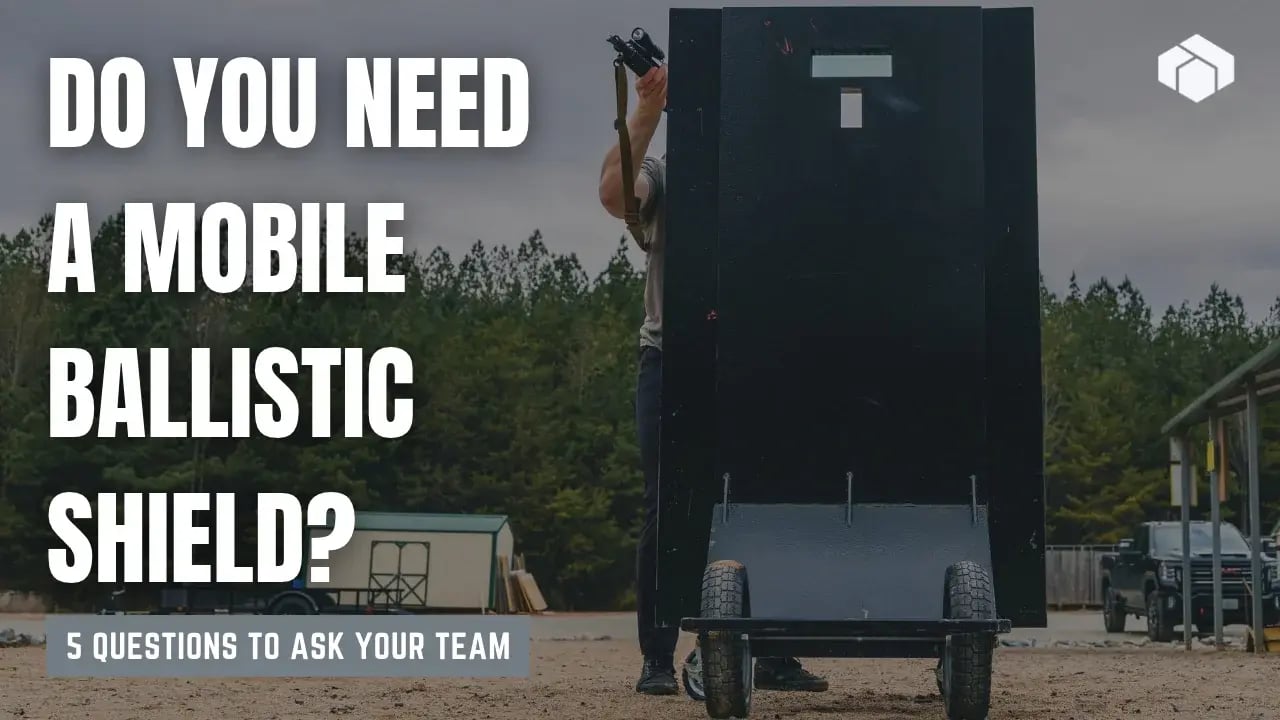
Kontek’s Mobile Response Shield combines a solid rubber wheel system and rear swivel casters with collapsible side panels and a ballistic glass viewport. Your team can evaluate those features against its space, handling, and visibility requirements.
Contact Kontek Industries to discuss your application and available Mobile Response Shield configurations.