What Are Soft Targets? Understanding Vulnerabilities and How to Protect Them
Soft targets are easy to overlook because they feel normal. You pass through them every day without thinking twice.

Soft targets are easy to overlook because they feel normal. You pass through them every day without thinking twice.
.png)
Riots often subject unsuspecting business owners to burglary, looters, and vandalism. Riots are usually the result of 4 common causes, out of control celebrations, out of control protests, controversial events, and incitation. The best way to prepare for riots is to provide your facility with the right amenities and procedures to maintain a safe environment during unsafe circumstances. There is no single solution to make your facility completely riot-proof. To prevent riot destruction, you must acknowledge numerous techniques and come up with a solid plan.
.png)
Every structure requires some level of protection from criminal activity and potential attacks. These situations are often unforeseeable, so it is better to invest in target hardening sooner than later. A great time to implement target hardening techniques is during the construction of your facility. Once the structure is up and running, building features that make the environment safer will already be in place. The goal of target hardening is to reduce the likelihood and severity of dangerous incidents and make your facility less attractive for intruders and attackers. We are here to provide and explain some target hardening techniques that can help you accomplish that goal.
.jpg)
Close Quarters Combat or Close Quarters Battle training involves the preparation of tactical teams for situations where a physical fight with firearms between multiple individuals at a particularly short range may occur. Shoot houses help enhance both the performance of tactical teams and the efficiency of their missions as they are configured to resemble residential, industrial, and commercial areas. Throughout training, ballistic shields can be implemented for various scenarios. Raids, high-risk search warrants, and active shooter situations can be practiced with ballistic shields using both offensive and defensive tactics. There are fundamental CQB principles alongside room clearing and target engagement that are among the most common practices for tactical teams when implementing a ballistic shield in a shoot house.
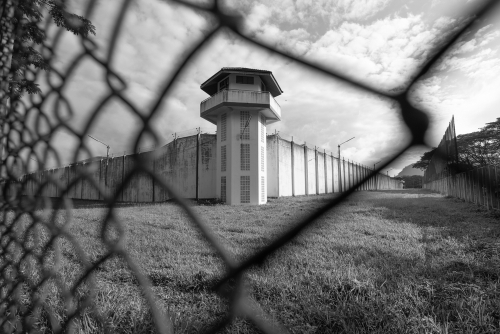
Making sure our prisons remain safe and breach-free is vital. That’s why having the right critical infrastructure in place is key. What exactly is critical infrastructure? Consider the steps taken to protect a building or the people that work and visit that building, or systems in place that are crucial to the operation of local and government resources. In this instance, prisons fall into the government facilities sector, but there are 16 critical infrastructure sectors overall.
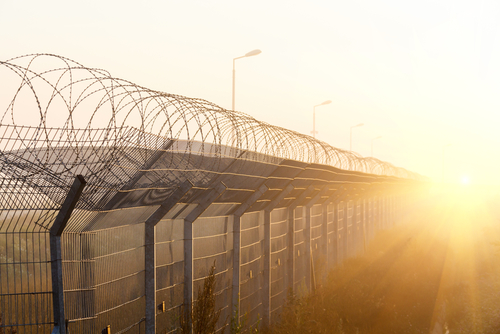
Critical infrastructure is important to any business or organization. The more the risk management team understands what critical infrastructure is how important it is, the easier it becomes to implement standards that make a difference. Many businesses take their security protocols for granted – until something happens. Critical infrastructure is comprised of 16 sectors that work to secure the safety of employees and customers.
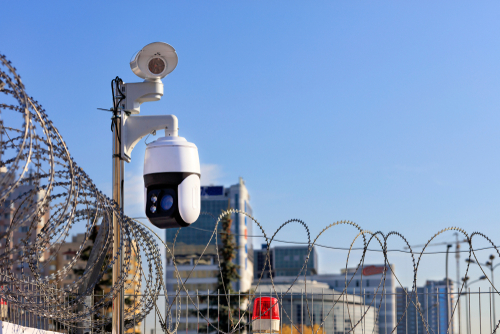
Target hardening involves protecting the internal and external infrastructure of an organization. Target hardening measures are the different techniques they use to accomplish this. The target hardening definition can be a little confusing for some, especially if they do not work in the security or law enforcement field, but it’s really just protecting the environment around you whether internally using a computer, or externally by putting in equipment or locks to protect your structures like a CLD fencing gate or CLD screen fence.

Biological attacks are increasing in frequency. Making sure your organization is prepared and ready to ward off any threats is key. This means taking target hardening as a serious component of your critical infrastructure protection. Many organizations use guard booths, ballistic-rated enclosures, mobile ballistic-rated enclosures, elevated mobile ballistic-rated enclosures, environmental enclosures, and tower elevated-ballistic rated enclosures. Environmental enclosures are designed to protect individuals and structures from the elements and encourage social proximity standards.
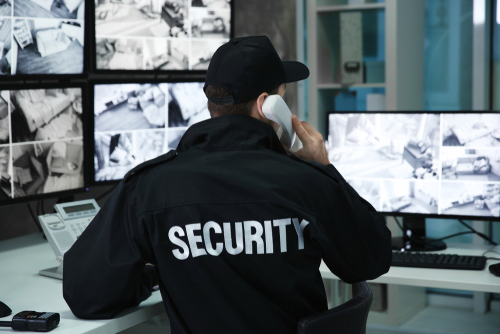
Target hardening is one of the best ways to protect property and life. It helps make structures safer and prevents infiltration from outsiders. Target hardening examples can be complex or simple. From adding specialty locks and alarm systems to signs or high shrubbery, these different techniques are all designed to create a line of defense that a potential thief or criminal will encounter at first glance. The more of a challenge a criminal sees, the faster they will think twice and choose another target.

When preparing safety and security protocols for law enforcement agencies, it’s always best to begin with scenarios that could possibly take place. One of the best ways to do this is by reviewing lessons from the 1960s and 1970s and coupling them with more recent years to have realistic target hardening examples in which to start developing the plan.